De Beauvoir Square wedding flowers supplier case study
Posted on 30/10/2026
If you are looking into a De Beauvoir Square wedding flowers supplier case study, you are probably doing more than browsing pretty bouquets. You want to understand what a real wedding flowers supplier does, how the service is put together, and whether the result is worth trusting on one of the biggest days of your life. Fair enough. Flowers can look effortless when they are done well, but behind the scenes there is a lot going on: timing, flower choice, room style, bridal party colour palette, delivery windows, and the small panic that appears if the weather turns or the venue changes a loading bay rule at the last minute.
This guide breaks the topic down in a practical, human way. You will find what the case study approach means, why it matters for couples and planners, how a wedding flowers supplier in De Beauvoir Square typically works, and what to look for before you book. We will also cover common mistakes, a comparison of popular wedding-floral approaches, and a checklist you can actually use. No fluff. Just the useful stuff, with a local London feel and enough detail to help you make a proper decision.
Table of Contents
- Why De Beauvoir Square wedding flowers supplier case study Matters
- How De Beauvoir Square wedding flowers supplier case study Works
- Key Benefits and Practical Advantages
- Who This Is For and When It Makes Sense
- Step-by-Step Guidance
- Expert Tips for Better Results
- Common Mistakes to Avoid
- Tools, Resources and Recommendations
- Law, Compliance, Standards, or Best Practice
- Options, Methods, or Comparison Table
- Case Study or Real-World Example
- Practical Checklist
- Conclusion
- Frequently Asked Questions
Why De Beauvoir Square wedding flowers supplier case study Matters
A wedding flowers supplier case study matters because it turns a vague service into something tangible. Anyone can say they provide bridal bouquets, buttonholes, and ceremony arrangements. The better question is: how does that service perform in the real world, for a real wedding, with real constraints?
De Beauvoir Square sits in a part of London where weddings often involve a mix of townhouses, intimate venues, nearby churches, restaurants, and reception spaces with limited access. That changes the floral brief quite a bit. In a location like this, the supplier is not just making flowers. They are solving logistics, keeping designs cohesive, and making sure everything arrives fresh and on time. Sometimes the difference between a smooth day and a stressful one is whether the florist understands those small local realities.
For couples, a case study is useful because it shows the supplier's process rather than only the final photos. You can see how they interpret the brief, how flexible they are with seasonal flowers, and whether their style is refined, romantic, modern, or somewhere in between. For planners and venue teams, it helps confirm the supplier can work neatly around setup schedules and venue access. That sounds dull, but on the wedding day it matters a lot.
Expert summary: a good wedding flowers case study should demonstrate more than style. It should show planning, communication, delivery reliability, and an eye for detail. If those pieces are in place, the flowers usually feel calm, elegant, and intentional rather than overdone.
How De Beauvoir Square wedding flowers supplier case study Works
At its simplest, a wedding flowers supplier case study follows the journey from enquiry to delivery. But the useful part is understanding what happens at each stage. The process is rarely just "pick some flowers and arrange them." It is closer to translating a mood into something visual, portable, and practical.
1. The brief is gathered
The first step is usually a conversation about the couple's style, venue, colours, season, and budget. A good supplier will ask whether the wedding is formal or relaxed, whether the bouquet should feel soft and airy or structured and sculptural, and what kind of ceremony setting is involved. If the couple says "simple and elegant" but the venue is a dramatic industrial space, that needs a different floral balance than a candlelit dining room. Obvious maybe, but people do sometimes skip that bit.
2. Floral structure is planned
Next comes the design structure: bridal bouquet, bridesmaid bouquets, buttonholes, table pieces, ceremony flowers, and any larger statement items. In many cases, the supplier will suggest a hero palette and then repeat those notes across the day so everything feels connected. This is where a collection-based approach can work well, especially if the couple wants less decision fatigue. A wedding collection such as wedding flowers and event styling can help keep the whole look coherent.
3. Flower selection is refined
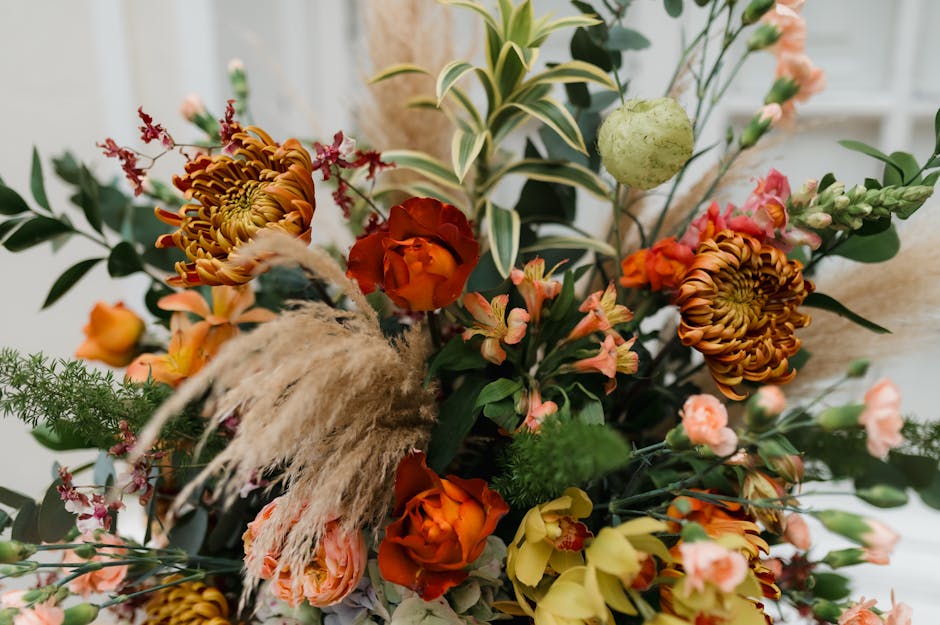
Seasonality matters here. A florist may recommend roses, lisianthus, orchids, lilies, hydrangeas, or mixed seasonal flowers depending on availability and the look requested. If the brief leans luxurious, structured, and clean, white or pale blooms are often chosen. For something more romantic or vivid, pinks, reds, purples, or mixed colours can give the design more personality. The best supplier is usually honest about what will hold up best on the day rather than promising a flower list that sounds lovely but is awkward in practice.
4. Delivery and set-up are coordinated
In London, timing is half the battle. A wedding flowers supplier near De Beauvoir Square needs to factor in access, parking, traffic, and the venue's delivery window. If arrangements are going to the ceremony, then onward to the reception, the handoff has to be smooth. This is especially important for wedding table flowers and buttonholes, which often need to be in the right hands at exactly the right moment. A good florist will plan for that, not wing it.
5. Final presentation is checked
Before the flowers go out, there is usually a last quality check. Stems need trimming, ribbon needs straightening, water levels must be right, and fragile blooms need protection. A bouquet can look beautiful in a photo but still fail the day if it wilts early. The final stage is about making sure the visual design and practical performance line up.
Key Benefits and Practical Advantages
When a supplier gets the wedding flowers right, the benefits show up everywhere. Not just in the bride's bouquet, but in the room atmosphere, the photographs, and the general sense that the day has been thought through.
- Better visual flow: flowers can link the ceremony, bridal party, and reception into one story instead of three separate ideas.
- Less stress on the day: if the supplier has a clear plan, there is less chasing, fewer last-minute questions, and fewer awkward gaps.
- More suitable designs: a local supplier can adapt to venue size, natural light, and access restrictions.
- Stronger photos: good floral styling gives photographers more to work with. Soft textures, colour balance, and depth all help.
- Smarter budget use: the right design strategy means you spend where it will be seen, not on features that disappear in the room.
There is also a small but real emotional benefit. Flowers shape the tone of the day. Walk into a room with the right scent, the right colours, and the right scale, and the whole thing feels more considered. Not overstyled. Just right. That's the sweet spot.
For couples comparing product ranges, the supplier's own wedding collection pages can make that planning stage easier. For example, a bride looking for a clean, classic look might compare options within white bridal bouquet styles or explore a broader white wedding collection for a more coordinated setup.
Who This Is For and When It Makes Sense
This kind of case study is most useful for people who want more than a pretty inspiration board. If that sounds like you, you are in the right place.
- Engaged couples planning a De Beauvoir Square or nearby London wedding and comparing floral suppliers.
- Wedding planners who need a supplier that can keep to timing, scale, and venue rules.
- Families helping with the budget who want to understand what affects cost and where value comes from.
- Venue coordinators looking to see whether a florist can work neatly with access and setup constraints.
- Couples with a specific theme such as modern minimal, classic romance, soft pastel, or dramatic luxe.
It also makes sense if you have already had a few early planning conversations and now need to narrow things down. That middle stage is where people often get stuck. You know you want flowers, obviously. But how many? Which items matter most? Do you spend more on a bouquet or the ceremony backdrop? Should the buttonholes match exactly, or just feel connected? That's where a structured supplier example is genuinely helpful.
If you are price-conscious, it is worth looking at the supplier's wider range too. A florist that offers both premium and more modest options, such as budget-friendly flowers in De Beauvoir Town alongside more detailed wedding pieces, can sometimes offer a better fit than a one-note luxury-only approach.
Step-by-Step Guidance
Here is a practical way to approach a De Beauvoir Square wedding flowers supplier project without getting overwhelmed. One step at a time. Honestly, that helps more than people expect.
- Set the floral priority list. Decide what matters most: bridal bouquet, ceremony flowers, table arrangements, or bridal party pieces. If the budget is tight, prioritise the items that appear in the most photos and the room's main sightlines.
- Choose the mood first, not just the flower type. Start with the feeling you want: soft, modern, romantic, classic, whimsical, or opulent. Flower names come later. The mood is what keeps the design consistent.
- Check the venue shape and timing. A narrow room, late-afternoon light, or a quick venue turnaround changes the floral plan. A supplier who asks about these details is usually thinking properly.
- Match the palette to the surroundings. White and green can feel crisp and calm. Pinks soften a room. Reds add richness. Mixed colours can feel lively, but only if the proportions are handled carefully.
- Confirm delivery and setup responsibilities. Who receives the flowers? Who places them? What time can the florist access the venue? These questions save headaches.
- Review one final mock-up or written summary. Even if there is no full sample, a clear summary of quantities, colours, and stem choices reduces the chance of surprises.
- Plan aftercare for the day. Water tubes, cool storage, and shaded holding areas can keep arrangements fresh for longer. A little detail, a big difference.
A helpful shortcut is to think in layers. The bridal bouquet is the first layer. The bridal party flowers are the second. Ceremony and table pieces build the atmosphere around them. If those layers feel related, the whole day looks more expensive, even when the floral mix is carefully budgeted.
Expert Tips for Better Results
These are the small things that tend to make the biggest difference. Not glamorous, but useful. Very useful.
Keep the bouquet scale honest
A bouquet should suit the person carrying it and the dress silhouette, not just the Instagram mood board. If the dress already has a lot happening at the bodice, a softer bouquet often works better. If the dress is sleek and minimal, the bouquet can carry a little more visual weight.
Use one strong idea and repeat it
Too many competing features make the flowers feel muddled. One dominant texture, one or two key colours, and a clear shape usually work better than five ideas fighting for attention. Truth be told, restraint often looks more luxurious.
Ask how the flowers will travel
People often ask what the flowers will look like. Good question. But ask how they will be transported too. In warm weather, in a car with air conditioning, or during a short walk from van to venue, the way arrangements travel matters. A florist with practical wedding experience will already be thinking about this.
Choose ceremony flowers that can be reused
If the setup allows it, ceremony pieces may be repurposed at the reception. That can stretch the budget without making the wedding feel sparse. It is one of those details that sounds small, then suddenly saves the day.
Watch the colour temperature
Some whites read cool, some cream tones read warm, and mixed blushes can shift in different light. Under candles or indoor lighting, colours can look quite different from how they do in daylight. A florist who understands that will steer you away from accidental clashes.
If you want more than just the wedding items, it can help to look at related floral products that show the supplier's range and style. For example, the broader luxury flower range and everyday florist choice arrangements can give you a better sense of their overall design language.
Common Mistakes to Avoid
Wedding flower planning goes wrong in fairly predictable ways. The good news? Most of them are avoidable if you know what to watch for.
- Choosing flowers before deciding the style. A rose-heavy plan may be lovely, but it should suit the wedding mood and venue first.
- Underestimating venue logistics. Access, parking, stairs, and setup timing can affect everything. A beautiful plan still has to arrive intact.
- Expecting every stem to be available year-round. Seasonal flexibility keeps the design realistic and often more affordable.
- Ignoring room scale. Tiny arrangements can disappear in a large room. Oversized arrangements can overwhelm a small one.
- Not confirming who places what. A delivery does not always mean installation. That detail needs to be clear.
- Leaving buttonholes and corsages until the last minute. These small items are easy to forget and annoying to improvise on the day.
One more thing. Couples sometimes fall in love with a bouquet photo and try to copy it exactly without considering their own venue, season, or budget. It happens all the time. And then everyone wonders why it feels slightly off. The better move is to borrow the style, not the exact arrangement.
Tools, Resources and Recommendations
You do not need a pile of software to plan wedding flowers, but a few simple tools make life easier. Nothing fancy. Just practical.
- Mood board or image folder: collect bouquet shapes, table styles, ribbon colours, and ceremony photos.
- Guest and table plan draft: table arrangements depend on how many tables and where the focal points sit.
- Venue notes: keep access times, stair details, elevator use, and parking restrictions in one place.
- Budget split: note what goes to bridal flowers, ceremony pieces, and reception styling so the spending stays balanced.
- Flower care instructions: useful if arrangements are delivered ahead of time or need a little holding period before the ceremony.
From the supplier side, it helps if they provide clear order summaries, colour notes, and care guidance. A strong florist will also be able to explain differences between bouquet styles, such as hand-tied versus structured designs, without wrapping it in jargon.
If you want to understand the broader service standards a florist can offer, pages such as about the florist, flower care guidance, and the shop's guarantees can be useful for checking how the business handles quality and customer expectations.
Law, Compliance, Standards, or Best Practice
For wedding flowers, most of the relevant considerations are best practice rather than heavily regulated compliance. Still, there are a few sensible standards to keep in mind.
First, any supplier working in London should be clear about delivery timings, order terms, substitutions, and refund handling. That protects both sides and avoids confusion if a flower variety is unavailable or weather affects stem performance. Reading the supplier's terms and conditions and returns and refund policy is not exactly romantic, but it is smart. A bit boring, yes. Also useful. Extremely useful, actually.
Second, venue access should be handled with care. Many London venues have loading rules, limited parking, or specific delivery times. The florist should work within those rules and confirm the details in advance. This is not just polite; it keeps the day moving.
Third, if sustainability matters to you, ask how waste is reduced, how seasonal stems are selected, and whether materials are reused or responsibly sourced where possible. A supplier's sustainability information can give you a useful indication of their approach. No need for grand promises here. Just practical, credible thinking.
Finally, if the flowers are for a ceremony with religious or cultural meaning, the design should respect that context. Some couples want clean white arrangements, others prefer specific symbolic colours or shapes. Best practice is simple: listen carefully, confirm respectfully, and avoid assumptions.
Options, Methods, or Comparison Table
Different wedding floral methods suit different couples. Here is a straightforward comparison to help you decide what feels right.
| Approach | Best for | Strengths | Watch-outs |
|---|---|---|---|
| Bridal bouquet-led styling | Couples who want impact without many extras | Simple, elegant, easier to budget | Can feel sparse if the room is large |
| Collection-based wedding flowers | Anyone wanting coordinated pieces across the day | Consistent look, less decision fatigue | Less flexible if you want highly custom styling |
| Room styling with tables and ceremony pieces | Venue-focused weddings | Creates atmosphere and strong photos | Needs tighter setup planning |
| Mixed custom florals | Couples with a clear colour story | Personal, expressive, tailored | Can get messy if the brief is too broad |
For many De Beauvoir Square weddings, the middle ground works best: a strong bridal bouquet, matching bridesmaid bouquets, neat buttonholes, and a small number of well-placed table or ceremony pieces. That gives you impact without turning the day into a logistics marathon.
Case Study or Real-World Example
Let's look at a realistic example. Not a fictional fairy tale, just the kind of wedding brief a local florist might actually receive.
A couple planning a small London wedding near De Beauvoir Square wanted a romantic but uncluttered floral look. They liked soft whites, blush tones, and a little greenery. The venue had a compact ceremony space, then a dining room that needed table flowers without blocking conversation. They also needed the flowers to travel well because the ceremony and reception were separate.
In that kind of project, a supplier might suggest a bridal bouquet with white roses and pale seasonal stems, bridesmaid bouquets that echo the same palette but feel lighter, and buttonholes that are simple enough to sit neatly on jackets all day. The table arrangements would be lower and more practical, so guests can see each other over the flowers. You see the pattern: everything is coordinated, but nothing is bulky for the sake of it.
If the couple wants to compare bouquet styles, a product like a pure romantic bridal bouquet or a tailored bridal bouquet option can be a good starting point. For the rest of the wedding party, matching items such as bridesmaid bouquets and groom buttonholes help carry the style through the day.
The practical lesson from examples like this is simple: the best wedding flowers do not shout. They support the room, flatter the people, and hold together from first look to final toast. If guests notice the flowers in a calm, admiring way rather than in a "wow, that's a lot" way, the supplier has probably nailed it.
Practical Checklist
Use this checklist before booking or confirming a wedding flowers supplier for De Beauvoir Square. It saves a surprising amount of back-and-forth.
- Have you shared the venue name and exact address?
- Do you know the ceremony time and delivery window?
- Have you listed the flowers you need? Bridal bouquet, bridesmaid bouquets, buttonholes, corsages, ceremony flowers, table arrangements.
- Have you chosen a style direction? Classic, modern, romantic, minimal, or mixed.
- Have you checked seasonal availability?
- Have you agreed what can be substituted if needed?
- Do you understand what is included in setup or installation?
- Have you checked policy pages for payment, delivery, and refunds?
- Do you know who will receive the flowers on the day?
- Have you planned how the flowers will be reused at the reception?
Quick takeaway: if a supplier answers these questions clearly and calmly, that is a very good sign. Not flashy. Just competent. And competence is rather lovely on a wedding day.
For a smoother planning journey, many couples also compare the florist's wedding-specific range with nearby delivery options such as wedding flowers in De Beauvoir Town and the broader local florist service so they can see how the wedding offering fits into the rest of the business.
Conclusion
A strong De Beauvoir Square wedding flowers supplier case study is valuable because it shows how floral ideas become a finished wedding experience. It is not only about the bouquet, though the bouquet matters. It is about how the whole plan fits together: style, venue, timing, flower choice, setup, and the little operational details that stop a beautiful arrangement from becoming a stressful one.
If you are choosing a wedding florist in this part of London, look for clarity, realism, and a design style that feels considered rather than overcomplicated. The best suppliers make the whole process feel easy without making it look easy behind the scenes. That's the trick, really.
Get a free quote today and see how much you can save.
And if you are still comparing options, take a breath, trust your eye, and remember this: the right flowers do more than decorate a wedding. They help it feel like yours.
Frequently Asked Questions
What does a De Beauvoir Square wedding flowers supplier case study actually show?
It shows how a florist handles a real wedding brief from enquiry through to delivery, including design choices, timing, venue coordination, and the final presentation of the flowers.
Why should I read a wedding flowers case study before booking?
Because it tells you how the supplier works in practice, not just how the bouquets look in photos. That helps you judge reliability, style fit, and attention to detail.
What flowers are most common for London wedding bouquets?
Roses, lisianthus, orchids, hydrangeas, lilies, and seasonal mixed flowers are all common. The best choice depends on the look you want and the time of year.
How far in advance should I book a wedding flowers supplier?
As early as you reasonably can, especially for popular dates. The exact timing depends on the season and how much custom work you need, but earlier is usually safer.
Can a florist match my wedding colour palette exactly?
Usually close, yes, but exact matching depends on seasonal availability and natural flower variation. A good florist will guide you toward the nearest reliable tones.
What if I need wedding flowers on a tighter budget?
Focus on the bouquet, buttonholes, and one or two key statement pieces. Choosing seasonal flowers and using reusable arrangements can also help keep costs under control.
Do wedding flowers need to be installed at the venue?
Not always. Some are simply delivered, while others need placement or setup. Always confirm whether the florist's service includes installation or delivery only.
How do I know if a floral design will suit my venue?
Share venue photos, room size, table layout, and lighting details. A supplier experienced with London weddings should be able to suggest the right scale and flower style.
Can ceremony flowers be reused at the reception?
Often, yes. If the design and venue logistics allow it, ceremony arrangements can sometimes be moved and reused to stretch the budget further.
What should I ask a wedding florist before I pay a deposit?
Ask about delivery timing, what is included, seasonal substitutions, payment terms, refund policy, and how the flowers will be prepared for transport.
Are wedding flowers in De Beauvoir Square different from other parts of London?
The floral design itself may not be radically different, but local logistics can be. Parking, access, timing, and venue layouts in London often require careful planning.
Where can I learn more about the florist's policies and service quality?
Look for the business's about page, flower care guidance, guarantees, delivery information, and policy pages so you can understand how they operate before you commit.